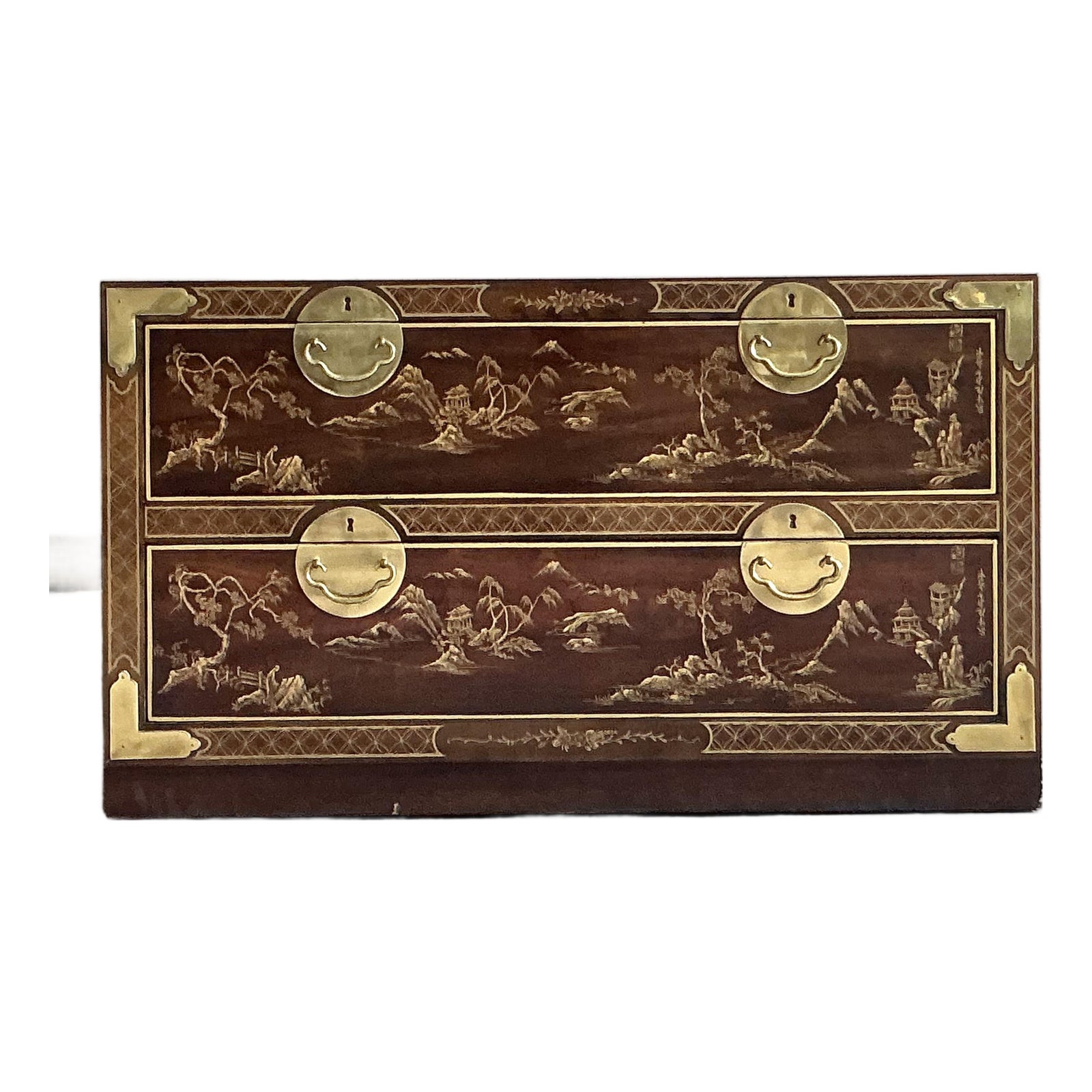
Chinoiserie: The Timeless Art of East-Meets-West Design
Discover the enchanting world of Chinoiserie furniture and decor. From 18th-century European interpretations of Chinese art to modern luxury pieces, explore the history, characteristics, and enduring appeal of this sophisticated decorative style.
Chinoiserie represents one of the most enduring and sophisticated decorative arts movements, blending Eastern aesthetics with Western craftsmanship to create pieces of extraordinary beauty and cultural significance. This "Chinese-esque" style has captivated collectors and designers for centuries, offering a perfect marriage of exotic allure and refined elegance.
The Origins of Chinoiserie
Chinoiserie emerged in the 17th and 18th centuries as European fascination with Chinese culture reached its peak. The term, derived from the French word "chinois" (Chinese), describes the European interpretation and imitation of Chinese artistic motifs and techniques. This wasn't mere copying—it was a creative reimagining that produced entirely new aesthetic vocabularies.
The style gained prominence through the East India Company's trade routes, which brought Chinese porcelain, silk, and lacquerware to European courts. Wealthy Europeans, enchanted by these exotic treasures, commissioned local artisans to create furniture and decorative objects in the Chinese manner, often adding their own cultural interpretations to the mix.
Defining Characteristics of Chinoiserie
Motifs and Imagery
Authentic Chinoiserie pieces feature distinctive decorative elements that tell stories of an imagined Orient:
- Pagodas and Temples: Architectural elements that evoke distant landscapes
- Dragons and Phoenixes: Mythical creatures symbolizing power and rebirth
- Flowering Branches: Cherry blossoms, peonies, and bamboo representing natural beauty
- Figures in Traditional Dress: Mandarins, courtiers, and everyday scenes of Chinese life
- Landscapes: Misty mountains, bridges, and gardens creating dreamlike vistas
Materials and Techniques
The finest Chinoiserie pieces showcase exceptional craftsmanship:
- Lacquerwork: Multiple layers of lacquer creating deep, lustrous surfaces
- Hand-Painted Details: Intricate brushwork requiring extraordinary skill
- Gilt Accents: Gold leaf highlighting adding luxury and depth
- Mother-of-Pearl Inlay: Iridescent details creating magical effects
- Bamboo and Rattan: Natural materials evoking Eastern aesthetics
Notable Periods and Makers
18th Century European Chinoiserie
The golden age of Chinoiserie produced some of the most sought-after pieces:
- English Japanned Furniture: High-quality lacquerwork from London workshops
- French Vernis Martin: Sophisticated lacquer techniques developed by the Martin brothers
- German and Austrian Pieces: Often featuring more whimsical interpretations
20th Century Revival
The style experienced renewed popularity in the 20th century:
- Hollywood Regency Era: Glamorous interpretations for movie stars and socialites
- Mid-Century Adaptations: Streamlined versions fitting modern interiors
- Contemporary Luxury: High-end manufacturers continuing the tradition
Collecting Chinoiserie: A Connoisseur's Guide
What to Look For
When evaluating Chinoiserie pieces, consider these factors:
- Quality of Decoration: Hand-painted details versus printed or transfer designs
- Condition of Lacquer: Original finish versus later restoration
- Construction Methods: Traditional joinery and materials
- Provenance: Documentation of age and origin when possible
- Artistic Merit: Sophistication and beauty of the decorative program
Investment Potential
Chinoiserie furniture has shown strong appreciation over time:
- 18th Century Pieces: Museum-quality examples command premium prices
- Mid-Century Examples: Growing appreciation among collectors
- Decorative Appeal: Always in demand for luxury interiors
- Cultural Significance: Historical importance adds value
Incorporating Chinoiserie in Modern Interiors
Statement Pieces
A single exceptional Chinoiserie piece can transform a room:
- Lacquered Cabinets: Perfect for dining rooms or living spaces
- Decorated Screens: Room dividers that double as art
- Chinoiserie Chairs: Elegant seating with exotic flair
- Decorated Tables: Functional art for any space
Mixing with Contemporary Design
Chinoiserie works beautifully in modern settings:
- Neutral Backgrounds: Let the pieces shine against simple backdrops
- Complementary Colors: Rich jewel tones that echo the decorative palette
- Textural Contrast: Smooth lacquer against rough textures
- Lighting: Proper illumination to showcase the artistry
The Enduring Appeal of Chinoiserie
What makes Chinoiserie eternally fascinating is its ability to transport us to an imagined world of beauty and refinement. These pieces represent more than furniture—they're windows into cultural exchange, artistic interpretation, and the human desire for beauty and exoticism.
In our globalized world, Chinoiserie reminds us of a time when distant cultures seemed truly foreign and mysterious. The style's enduring popularity speaks to our continued fascination with the exotic and our appreciation for exceptional craftsmanship.
Building Your Chinoiserie Collection
Whether you're drawn to museum-quality 18th-century pieces or seeking more accessible 20th-century examples, Chinoiserie offers something for every collector. The key is understanding what makes each piece special and how it fits into the broader story of East-West cultural exchange.
At SHOW PONY PALM BEACH, we specialize in exceptional Chinoiserie pieces that bring this timeless aesthetic into contemporary homes. Each piece in our collection is carefully selected for its artistic merit, historical significance, and decorative impact.
Ready to explore the enchanting world of Chinoiserie? Browse our curated collection and discover pieces that will bring centuries of artistic tradition into your home.
By Show Pony Palm Beach